The Short Answer: What Problems Can Quartz Countertops Have?
The most common quartz countertop issues are heat damage, discoloration, scratches, chips, cracks, visible seams, and dull spots. Each can start in a different place.
- Material limitation: Resin binders make quartz less tolerant of high heat and prolonged UV exposure
- Fabrication or installation concern: Poor seam planning, unsupported areas, or stress around cutouts can affect long-term performance
- Care or use issue: Abrasive pads, harsh chemicals, direct cutting, and heavy impacts can damage the finish or surface
These tradeoffs do not make quartz a poor choice. Its nonporous surface, consistent appearance, and low routine maintenance still make it a strong fit for many kitchens and baths. Firenza’s guide to the reasons to choose quartz countertops for your kitchen covers that wider decision.
1. Heat Damage and Thermal Shock
A hot pan can damage quartz because the surface contains resin as well as quartz minerals. The mineral may take heat well. The binder can change color, scorch, or react to a fast temperature shift. That is why quartz is heat-resistant, not heatproof.
Direct heat from cookware is not the only concern. Air fryers, slow cookers, and electric griddles can heat one area for hours. A trivet or brand-approved heat barrier cuts that risk.
Do not rely on one heat limit for all quartz. Formulas and warranty terms vary by brand. Follow the care guide for your exact product. Decide where hot appliances will sit before the shop finalizes the layout.
2. White Quartz Staining, Yellowing, and Discoloration
People often call every mark on white quartz a stain. That is not always accurate. Quartz is nonporous, yet dyes, resins, and the factory finish can still change at the surface.
Common causes include:
- Food pigments: Turmeric, food coloring, wine, and similar substances can leave persistent color if spills sit too long
- Ink or dye transfer: Packaging, markers, or printed materials can transfer color to a light surface
- Chemical exposure: A cleaner that is too harsh for the product can alter the finish or create a lightened patch
- Residue buildup: Cleaner film or hard-water deposits can look like discoloration even when the slab has not changed
- UV exposure: Prolonged direct sunlight may affect some resins or pigments, particularly on indoor products not intended for exterior use
Wipe spills fast with a method approved by the brand. If a mark remains, stop before trying bleach, acetone, rough powders, or home remedies. The wrong treatment can turn a removable deposit into lasting finish damage.
3. Scratches, Scuffs, and Metal Transfer
Quartz resists normal scratching, but it is not scratch-proof. Grit caught under a small appliance, an unglazed ceramic base, direct knife use, or a heavy object dragged across the counter can leave a mark.
A dark gray line is not always a scratch. Metal cookware can leave a scuff that looks like a gouge. A rough pad can cause a different problem. It may change the sheen and leave a dull patch.
Use a cutting board and lift cookware instead of sliding it. Clean loose grit before moving small appliances. If your nail catches in a line or the finish has changed, do not sand or polish it. A local repair can create a sheen mismatch that stands out more than the first mark.
4. Chips at Edges, Corners, and Cutouts
Quartz handles daily use well, but concentrated impact can chip vulnerable areas. Sink edges, outside corners, cooktop cutouts, and narrow sections receive more stress than the middle of a broad countertop run.
A heavy cast-iron pan striking an edge can chip it. So can repeated impact near a sink or damage during handling. Edge profile, cutout shape, fabrication, and installation all influence how these areas perform.
Small chips may be repairable, but the right method depends on the product, color, pattern, location, and depth. Photograph the damage and contact the fabricator before applying filler. A professional can determine whether the issue is cosmetic or connected to a larger stress point.
5. Cracks Caused by Heat, Impact, or Uneven Support
A crack is more serious than a surface scuff. It may follow a fast heat change, hard impact, stress near a cutout, cabinet movement, or poor support. Appearance alone cannot confirm the cause.
Contact the fabricator or installer if you notice:
- A new line that continues through the edge: This may indicate separation through the slab
- Movement between the two sides: A change in level deserves prompt inspection
- A line growing from a sink or cooktop corner: Cutouts concentrate stress and require careful review
- Chipping along the line: Loose material can point to more than a cosmetic mark
Avoid placing weight near the area. Take clear photos from above and from a low angle. Note when the line appeared. Arrange an inspection instead of trying to repair the break yourself.
6. Visible Seams and Pattern Interruptions
Seams are normal in many countertop layouts. Slab size, room access, cabinet runs, appliance openings, and installation logistics can make them necessary. The real question is whether the location, width, color match, and pattern transition were planned well.
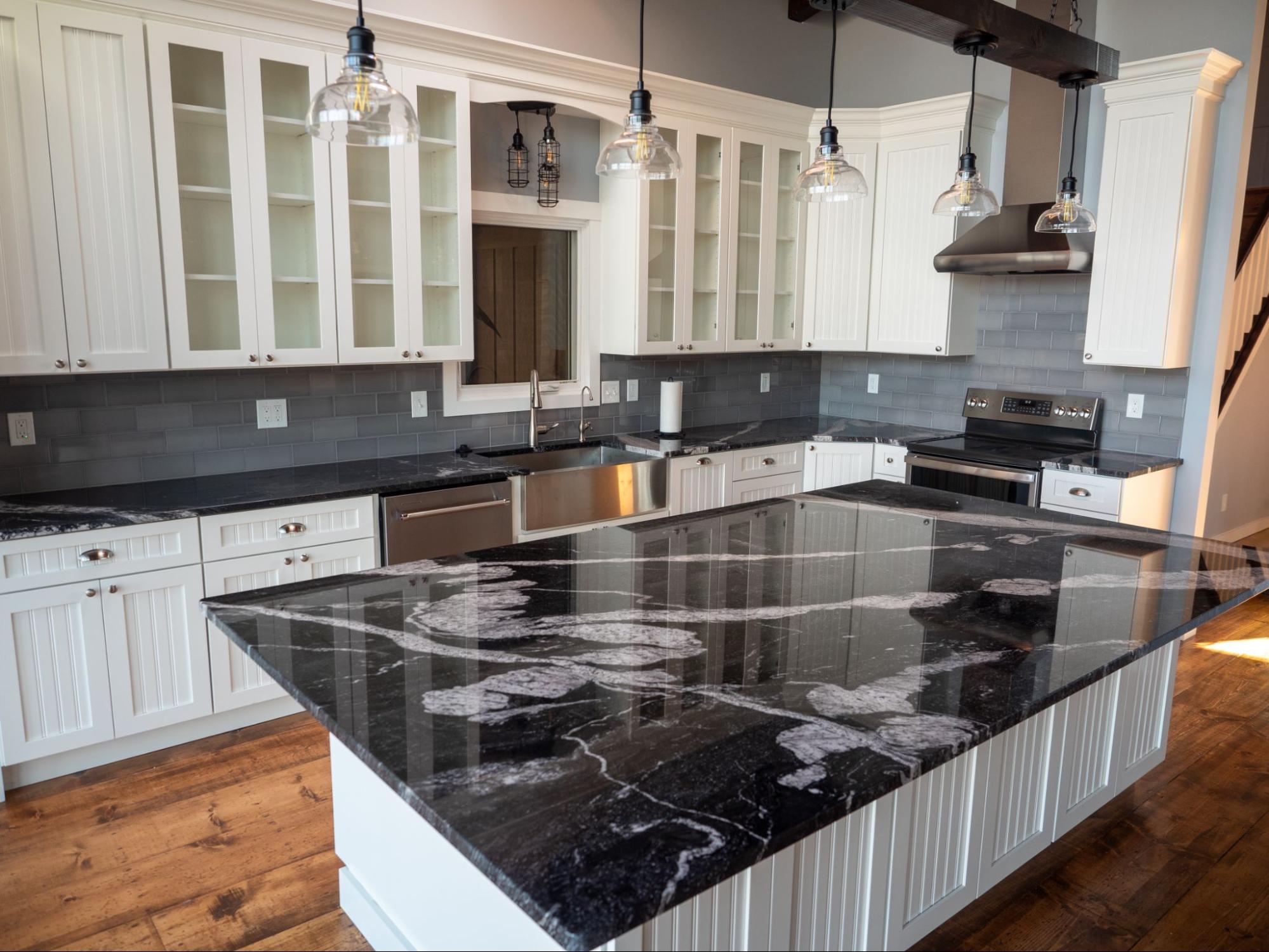
Strong veining can make a seam more visible because the movement cannot always continue perfectly from one section to another. A solid or quiet design may reveal the adhesive line for a different reason. Neither appearance automatically signals poor workmanship.
Ask to review seam placement and pattern flow before fabrication. That conversation matters most on large islands, L-shaped layouts, and designs with bold directional movement. Expectations set before cutting prevent frustration after installation.
7. Dull Spots and Chemical Damage
A dull spot can come from abrasion, chemical exposure, residue, or a change in the factory finish. These causes may look similar, but they require different responses.
Avoid scouring pads, powdered abrasives, oven cleaner, paint remover, and any product the quartz manufacturer does not approve. Even a product that removes the mark may leave the sheen uneven. Repeated use of too much cleaner can also create a film that changes how the surface reflects light.
Start with the product’s care guide. If gentle cleaning does not resolve the area, document it and ask the fabricator or manufacturer for direction. Do not keep escalating to stronger products. That often increases the damage and can complicate a warranty review.
Which Quartz Issues Point to Quality or Installation Problems?
Some problems with quartz countertops relate to use. Others deserve a closer look at the slab, fabrication, support, or installation. Timing and location provide useful clues.
A new crack near a cutout, movement at a seam, uneven countertop sections, or repeated chipping without a clear impact should be inspected. So should a persistent finish problem that appeared immediately after installation.
Before choosing a product, ask how the slab will be inspected, where seams will go, what support the layout requires, and which care instructions govern the warranty. Firenza’s guide on how to identify and examine the quality of quartz countertops before buying explains what to review before the project moves forward.
How to Choose Quartz With Fewer Surprises
The best quartz decision starts with the whole project, not a small color chip. Look at the full design, the room’s light, appliance placement, edge profile, seam plan, and the way your household uses the surface.
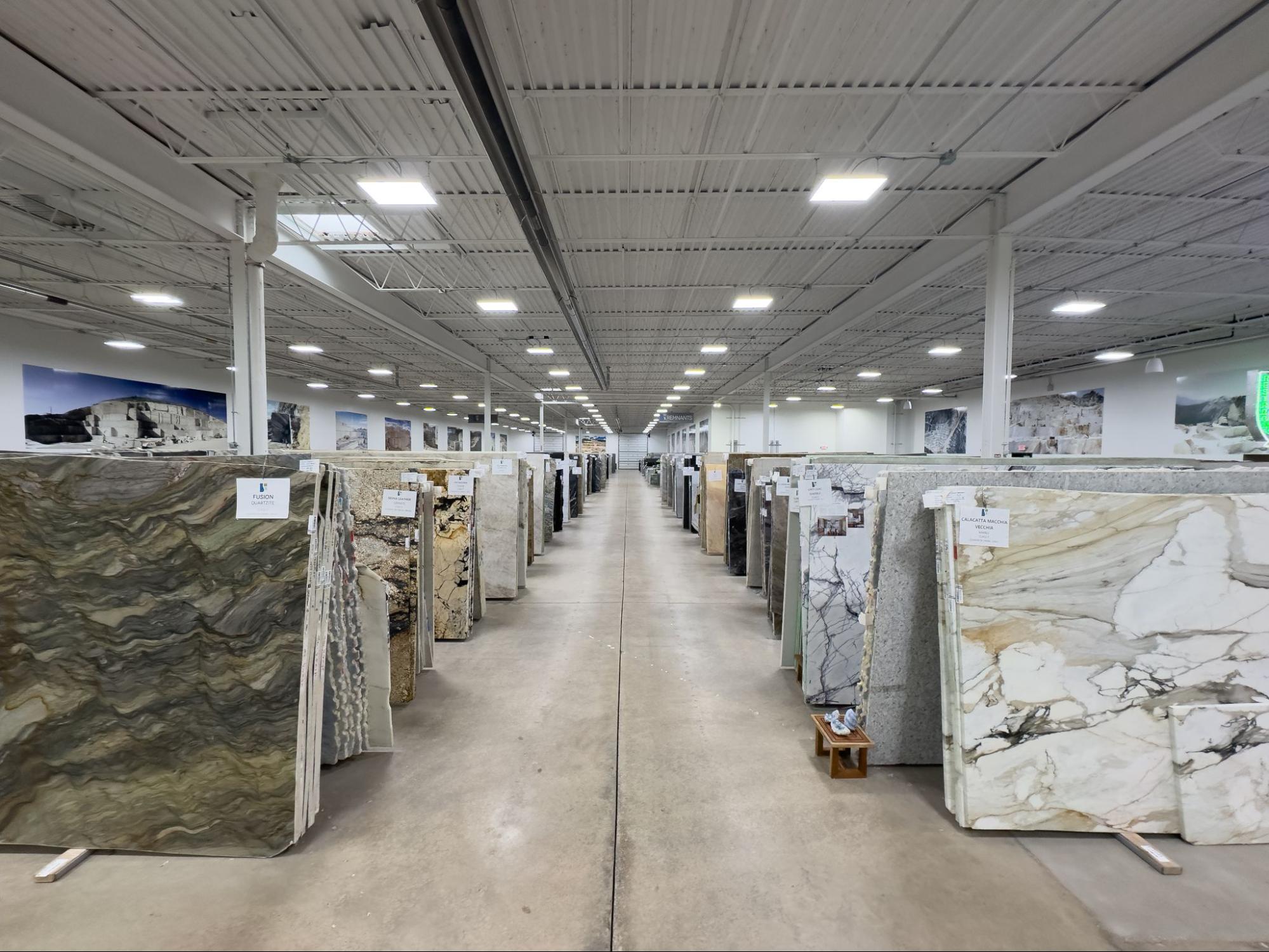
Seeing the full slab in person helps you judge movement and color at their actual scale. It also gives you a better chance to discuss layout before fabrication. Choosing a company with an accountable selection, fabrication, and installation process matters too. Firenza explains what to look for in a local countertop showroom in more detail.
Visit Firenza’s Eastlake Design Center to compare quartz options and talk through heat exposure, seams, lighting, edges, and daily habits. That conversation helps you choose a surface you can use with confidence, without expecting it to be damage-proof.
FAQs
Can White Quartz Countertops Stain?
White quartz is stain-resistant, not stain-proof. Food pigments, dyes, ink, chemical exposure, residue, and prolonged UV exposure can all create marks or discoloration. Clean spills promptly using the product manufacturer’s instructions. If a mark remains, avoid abrasive or chemical experiments and ask the fabricator which next step is safe for that exact surface.
Why Is My Quartz Yellowing?
Yellowing can result from residue, heat, chemical exposure, aging resin, or prolonged sunlight, depending on the product and location. A photo alone may not establish the cause. Note where the change appears and what contacts that area, then review the manufacturer’s care and warranty guidance with the fabricator.
Are Seams in Quartz Normal?
Yes. Many quartz countertops require seams because of slab dimensions, layout, access, or installation needs. A seam should be discussed before fabrication, especially with strong veining. Its visibility depends on placement, pattern, lighting, adhesive color, and workmanship, so “visible” does not automatically mean “defective.”
Can Quartz Scratches Be Repaired?
Some chips, gouges, and scratches can be improved professionally, but the result depends on depth, location, color, pattern, and finish. DIY sanding or polishing can create a larger dull area or mismatched sheen. Have the fabricator identify whether the mark is a scratch, metal transfer, residue, or finish damage before choosing a repair.
Is an Installed Quartz Countertop Safe in the Home?
The occupational crystalline-silica concern relates to dust generated when quartz-containing materials are cut or ground, especially without proper controls. A finished, installed countertop does not create that fabrication dust during normal household use. Homeowners should not cut, grind, or drill the surface themselves. Any modification should go to a qualified professional using appropriate safety controls.