What Separates a Countertop Company From a Countertop Installer
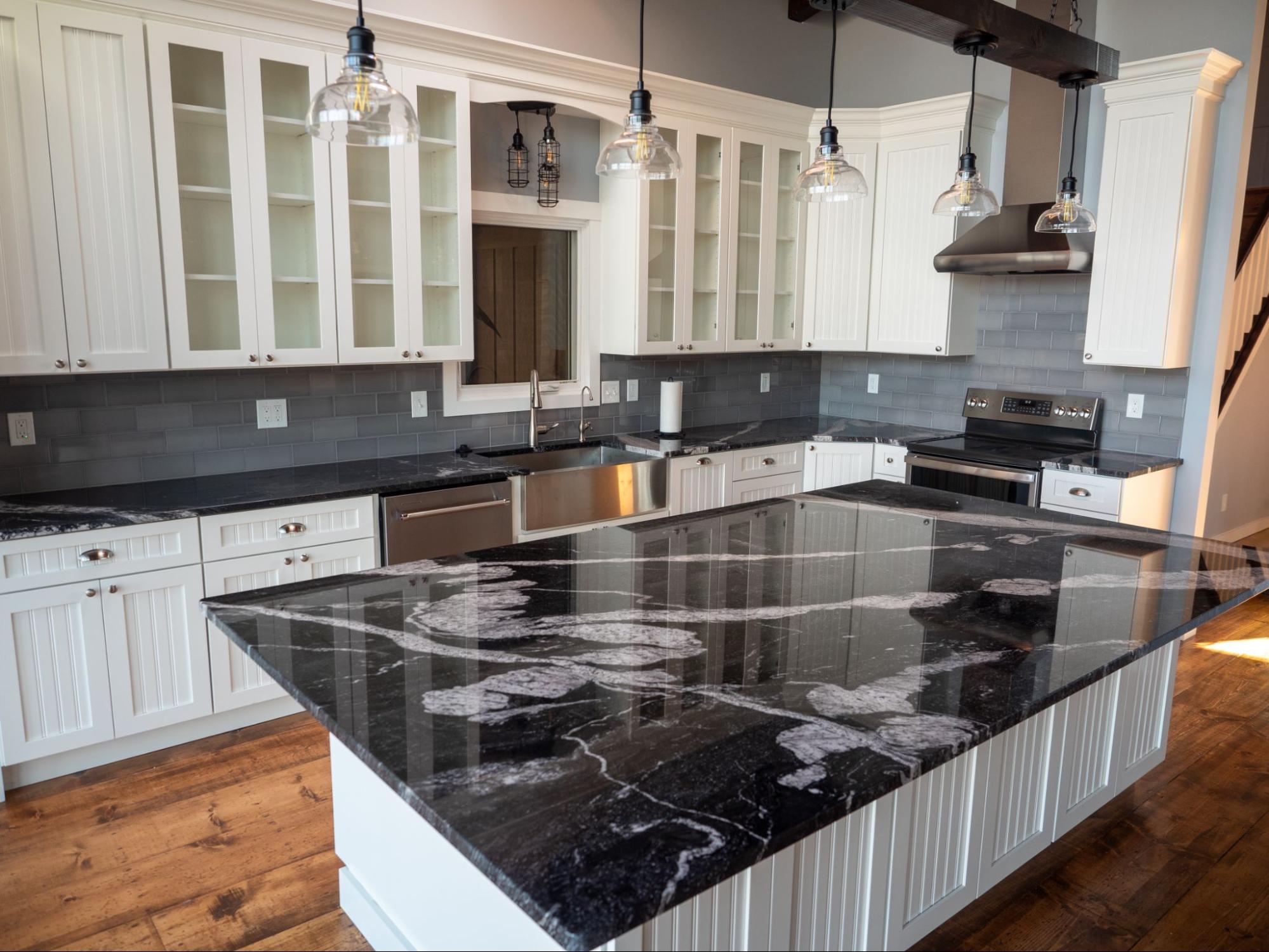
Not every business that installs countertops is equipped to handle your project the same way. A countertop installer completes the physical installation. A full-service countertop company handles material selection, fabrication, and installation under one roof, with a team that’s accountable at every stage.
The difference matters more than most homeowners realize. When fabrication and installation are handled by the same company, there’s no handoff, no miscommunication between a supplier and a subcontractor, and no finger-pointing if something goes wrong. What you get instead is a single point of contact from the moment you choose your slab to the day it’s installed.
What to Look for in a Local Showroom
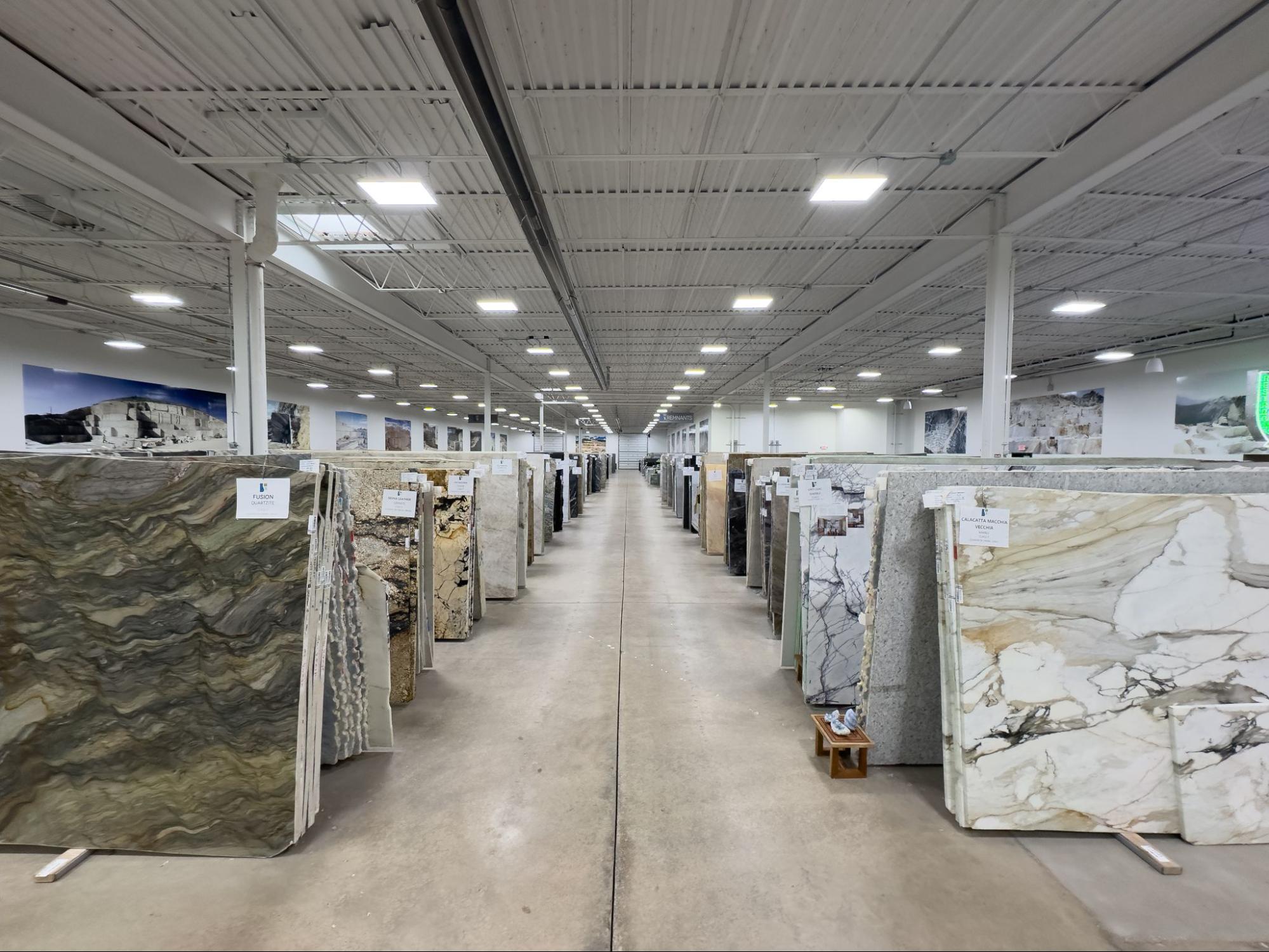
A showroom tells you a lot about how a countertop company operates before you ask a single question. Small samples under fluorescent lighting give you a limited picture. A slab gallery with natural and LED lighting, where you can stand in front of the actual stone you’re considering, gives you something much closer to the real result.
When you visit, look for variety in the slab inventory, staff who can speak to material performance and not just aesthetics, and a space that lets you compare options side by side. If a company can’t show you the slab before fabrication begins, that’s worth noting. What you approve on a small sample and what arrives on installation day can look very different.
Questions to Ask Before You Commit
The right countertop company will answer these questions without hesitation.
Ask whether fabrication is done in-house or outsourced to a third party. Ask if you can see and approve the specific slab before cutting begins. Ask what the process looks like if there’s a problem after installation, and who your point of contact is from start to finish. Ask how long they’ve been working with the materials you’re considering.
These aren’t difficult questions. But a company that’s been doing this well for years will answer them with specifics, not generalities. That’s the difference between a company that’s confident in its process and one that’s hoping you don’t look too closely.
Why In-House Fabrication Matters
In-house fabrication means the company cutting and finishing your stone is the same company that sold it to you and will install it. That continuity affects quality in ways that are hard to see until something goes wrong.
When fabrication is outsourced, tolerances can shift between what was measured, what was cut, and what shows up on site. Seam placement, edge profiles, and cutout precision all depend on clear communication across that chain. When it’s handled internally, with skilled craftsmen, digital templating, and the same team overseeing the project end to end, those variables are controlled rather than hoped for.
At Firenza Stone, fabrication has never been outsourced. Our in-house team uses CNC machinery and computer-aided project design to fabricate both natural and engineered surfaces for kitchens, baths, and specialty applications, with four generations of stone experience behind every cut. When you’re evaluating local countertop companies, that’s the kind of answer that should carry real weight.
How to Find a Countertop Company You Can Actually Trust
Choosing the right countertop company comes down to one question: can they take your project from the first conversation to the final installation without dropping the ball in between? The companies worth working with have a showroom where you can see real slabs, fabrication handled in-house, and a team that’s done this long enough to have answers, not just estimates.
If you’re exploring your options in Northeast Ohio, Firenza Stone’s Design Center and 30,000 square foot slab gallery are a good place to start. Visit us in person, see the materials side by side, and talk through your project with a team that’s been working in stone for four generations.
Frequently Asked Questions
What is the difference between a countertop fabricator and a countertop installer?
A fabricator cuts, finishes, and edges the stone. An installer puts it in place. Many companies separate these two roles, which introduces risk at the handoff point. A company that does both in-house controls the outcome from start to finish.
How do I know if a countertop company is reputable?
Look beyond reviews. Ask whether they fabricate in-house, whether you can see your actual slab before cutting begins, and how long they’ve been working with the specific material you want. A company confident in its process will answer all three without hesitation.
Can I see quartz countertops near me before committing to one?
You should be able to. Any serious countertop company will have a slab gallery or showroom where you can compare materials in person under realistic lighting. Small samples are a starting point, not a substitute for seeing the full slab.
What should I expect during the countertop installation process?
A well-run project includes an in-home or digital template measurement, slab approval before fabrication begins, a clear timeline, and professional installation by the same team that fabricated the stone. If any of those steps are missing from the process a company describes, ask why.
Does it matter if a countertop company has been in business a long time?
Experience with natural and engineered stone builds over years of real projects, not certifications alone. A company with a long track record in fabrication and installation has seen the edge cases, the difficult seams, and the materials that behave differently than expected. That history shows up in the finished result.