
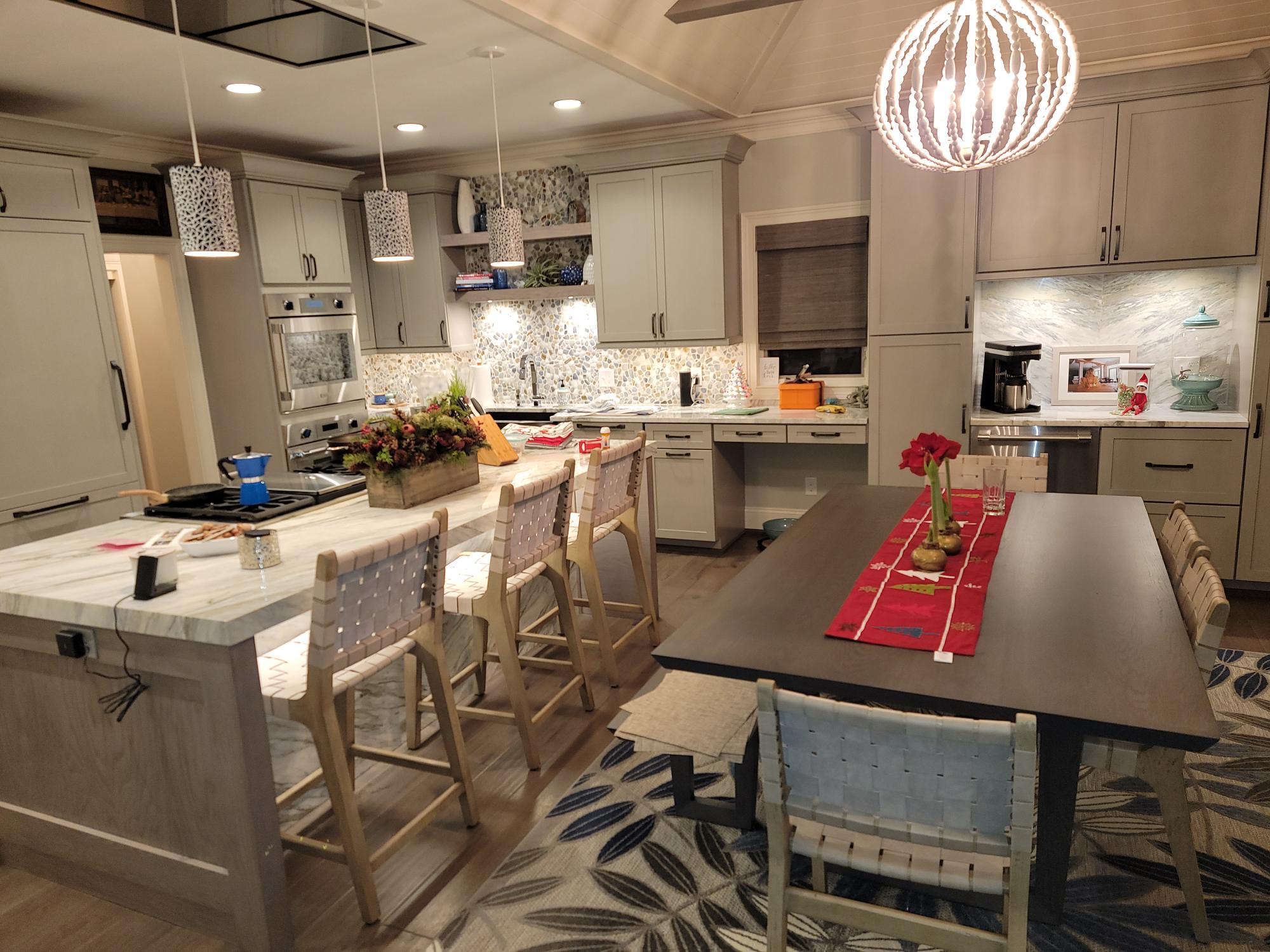
Choosing the wrong scope can lead to frustration. A surface-level update may not solve a layout that no longer works. A full remodel may be more than you need if the room is functional but simply feels dated.
The difference matters for budget, timeline, disruption, permits, and long-term value. This guide breaks down updating vs. remodeling so you can make a more confident decision before planning your next project.
What Is Updating?
Updating means improving the look or feel of a space without changing its layout, structure, or main function. It is the right fit when the room still works well, but the finishes feel dated, worn, or disconnected from the rest of your home.
Common updates include painting walls or cabinets, replacing light fixtures, changing cabinet hardware, installing new flooring, or choosing new countertops. These changes can make a kitchen, bathroom, or living space feel more current without the larger commitment of a full remodeling project.
Benefits of Updating
Updating is often more approachable because it usually focuses on finishes instead of construction. It can be quicker to complete, easier to plan, and less disruptive to daily life.
Common benefits include:
- More approachable project scope
- Shorter timeline than a full remodel
- Less disruption to your daily routine
- Improved resale appeal when the home needs a cleaner, more current look
Fresh surfaces, updated fixtures, and more cohesive finishes can make a strong impression without changing the room’s footprint.
Best For
Updating is best when the space already functions well, but the look needs attention. It is a practical fit for homeowners who want improvement without changing how the room is used.
Updating is especially useful for:
- Older kitchens with dated countertops or cabinet finishes
- Bathrooms with worn fixtures, lighting, or flooring
- Rooms where the layout works, but the finishes feel tired
- Homes being prepared for sale
- Gradual improvements completed one area at a time
What Is Remodeling?
Remodeling means making more significant changes to the structure, layout, or function of a space. Instead of only refreshing what is already there, remodeling changes how the room works.
A kitchen remodel may include reconfiguring the floor plan, adding an island, replacing cabinetry, moving appliances, or updating plumbing and electrical systems. A bathroom remodel may involve expanding the shower, changing the vanity layout, adding storage, or converting a half bath into a full bath.
Remodeling is the better fit when the space no longer supports your needs, even if the finishes still look acceptable.
Benefits of Remodeling
Remodeling gives you more control over how a space functions. It can solve layout problems, improve storage, support a growing family, and create a more tailored design.
Common benefits include:
- Better use of space
- More customized layouts
- Improved function for daily routines
- Opportunity to update plumbing, electrical, or other systems
- Strong long-term value, especially in kitchens and bathrooms
A remodel also allows you to make design decisions as part of one connected plan, from cabinetry and countertops to flooring, tile, lighting, and fixtures.
Best For
Remodeling is best when the issue is more than appearance. It is the right direction when the room feels cramped, inefficient, poorly planned, or no longer aligned with how you live.
Remodeling is especially useful for:
- Growing families that need more space or better flow
- Older homes with outdated layouts or systems
- Kitchens that lack storage, prep space, or seating
- Bathrooms that feel too small or difficult to use
- Long-term homeowners ready to invest in a more complete improvement
Updating vs. Remodeling: How They Compare
The main difference between updating and remodeling is scope. Updating refreshes the existing space, while remodeling changes how the space functions. That difference affects budget, timeline, disruption, and whether permits or professional planning may be needed.
In practical terms:
- Scope: Updating focuses on cosmetic or minor functional changes. Remodeling involves layout, structural, or major functional changes.
- Cost: Updating is usually lower to moderate in cost. Remodeling usually requires a larger investment because the work is more involved.
- Timeline: Updating may take days or weeks. Remodeling can take weeks or months, depending on the project.
- Permits: Updates rarely require permits unless plumbing, electrical, or structural work is involved. Remodels are more likely to require permits.
- Disruption: Updating usually creates less disruption. Remodeling often affects how you use the space while work is underway.
- Best value: Updating works well when the room already functions properly. Remodeling is the better fit when the layout, storage, or daily use no longer supports your needs.
What This Means for You
If your kitchen has a workable layout but dated countertops, flooring, lighting, or cabinet hardware, an update may give you the improvement you need. If the kitchen lacks storage, prep space, seating, or flow, a remodel may be the better long-term answer.
The same applies to bathrooms. New fixtures, flooring, or a vanity can refresh the room. But if the shower is too small, the layout is awkward, or the room no longer supports your routine, remodeling gives you more room to solve the actual problem.
Which One Is Right for Your Home?
Choose updating when the room already works. If the layout feels comfortable, storage is adequate, and the main issue is dated finishes, an update is usually the smarter move. New countertops, flooring, fixtures, paint, or hardware can make the space feel refreshed without taking on more work than the home needs.
Choose remodeling when the room does not support your daily life anymore. If the kitchen feels cramped, the bathroom layout is awkward, or the space lacks storage, better finishes will only cover up the real issue. In that case, remodeling gives you the opportunity to improve how the room functions, not just how it looks.
A good rule: update when the bones are right. Remodel when the layout is holding you back. Firenza Stone can help you look at both paths clearly, compare materials in person, and decide whether your project needs a targeted refresh or a more complete design plan.
Updating vs. Remodeling FAQs
Is updating cheaper than remodeling?
Yes, updating is usually less expensive than remodeling because it focuses on finishes instead of major construction. Replacing countertops, hardware, lighting, or flooring typically involves less labor, less planning, and fewer system changes than moving walls, changing plumbing, or reworking a layout.
That does not mean every update is small. Premium surfaces, cabinetry, tile, and flooring can still be a meaningful investment. The difference is that updating usually keeps the room’s existing structure in place, which helps control the overall scope.
When is remodeling worth it?
Remodeling is worth it when the room no longer works for the way you live. If your kitchen lacks storage, the bathroom layout feels awkward, or the space creates daily frustration, cosmetic changes may not go far enough.
A remodel makes sense when function is the real problem. It gives you the chance to improve flow, storage, comfort, and long-term use instead of only making the room look newer.
Do you need permits for remodeling?
Permits are more common with remodeling, especially when the project involves plumbing, electrical, structural changes, or layout changes. Simple updates, such as new paint, hardware, fixtures, or surface replacements, usually do not require the same level of permitting.
Because requirements vary by project and location, it is best to confirm early in the planning process. A professional design and remodeling team can help you understand what applies before work begins.
Should I update or remodel before selling my home?
If you are preparing to sell soon, updating is often the better choice. Fresh paint, updated flooring, new countertops, modern fixtures, and clean finishes can help the home feel more current without taking on a larger project than necessary.
A remodel may make sense before selling if the space has a major layout or function problem that buyers are likely to notice. Otherwise, targeted updates often give you a cleaner, more market-ready result with less disruption.
Can new countertops be part of an update?
Yes. New countertops are often one of the most effective updates when the layout already works. They can change the look of a kitchen, bathroom, laundry room, or bar area without requiring a full remodel.
Countertops can also be part of a larger remodel when cabinetry, layout, plumbing, or appliances are changing. At Firenza Stone, viewing slabs and surfaces in person can help you decide whether a countertop update is enough or whether the room needs a more complete plan.


