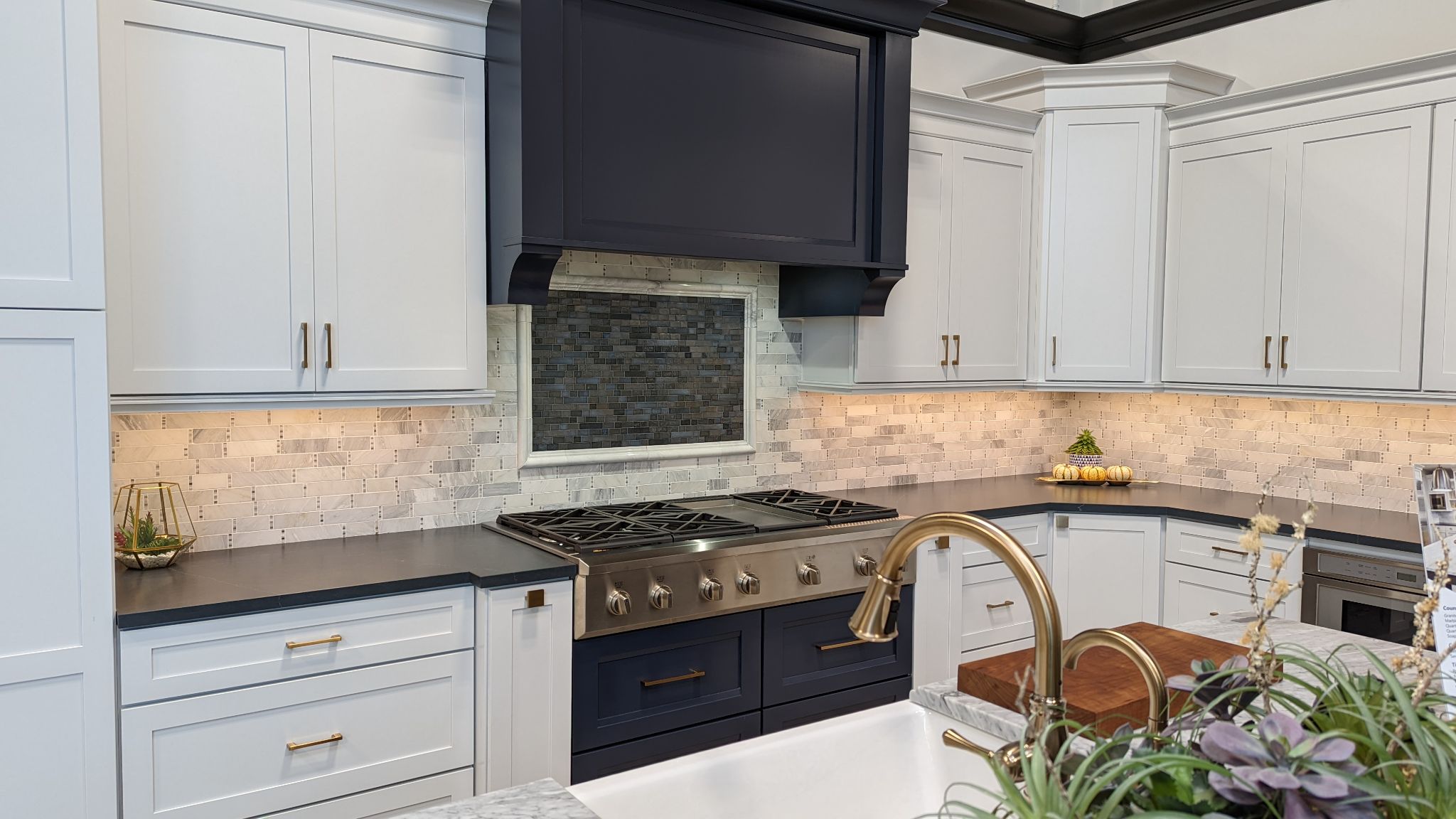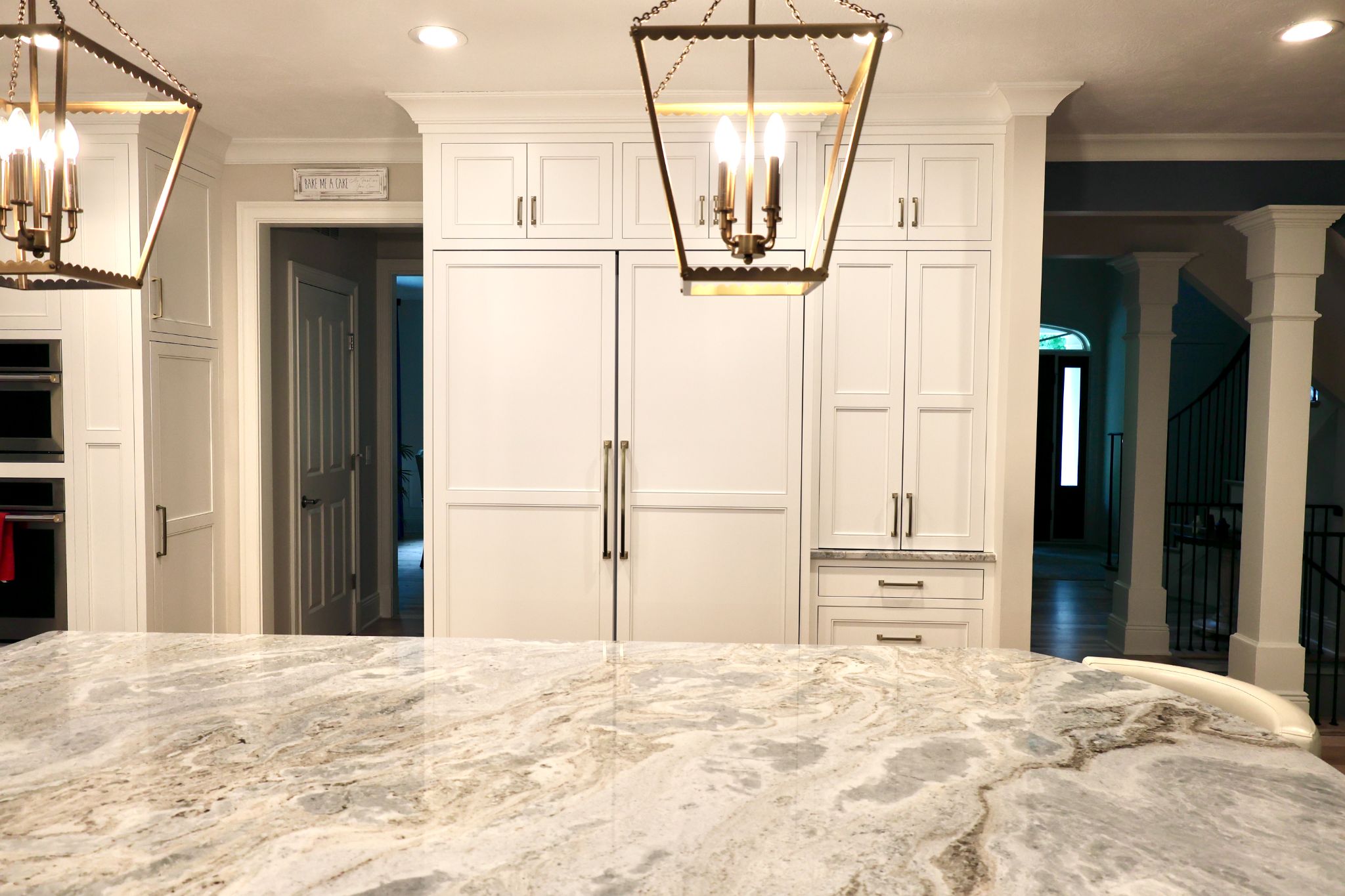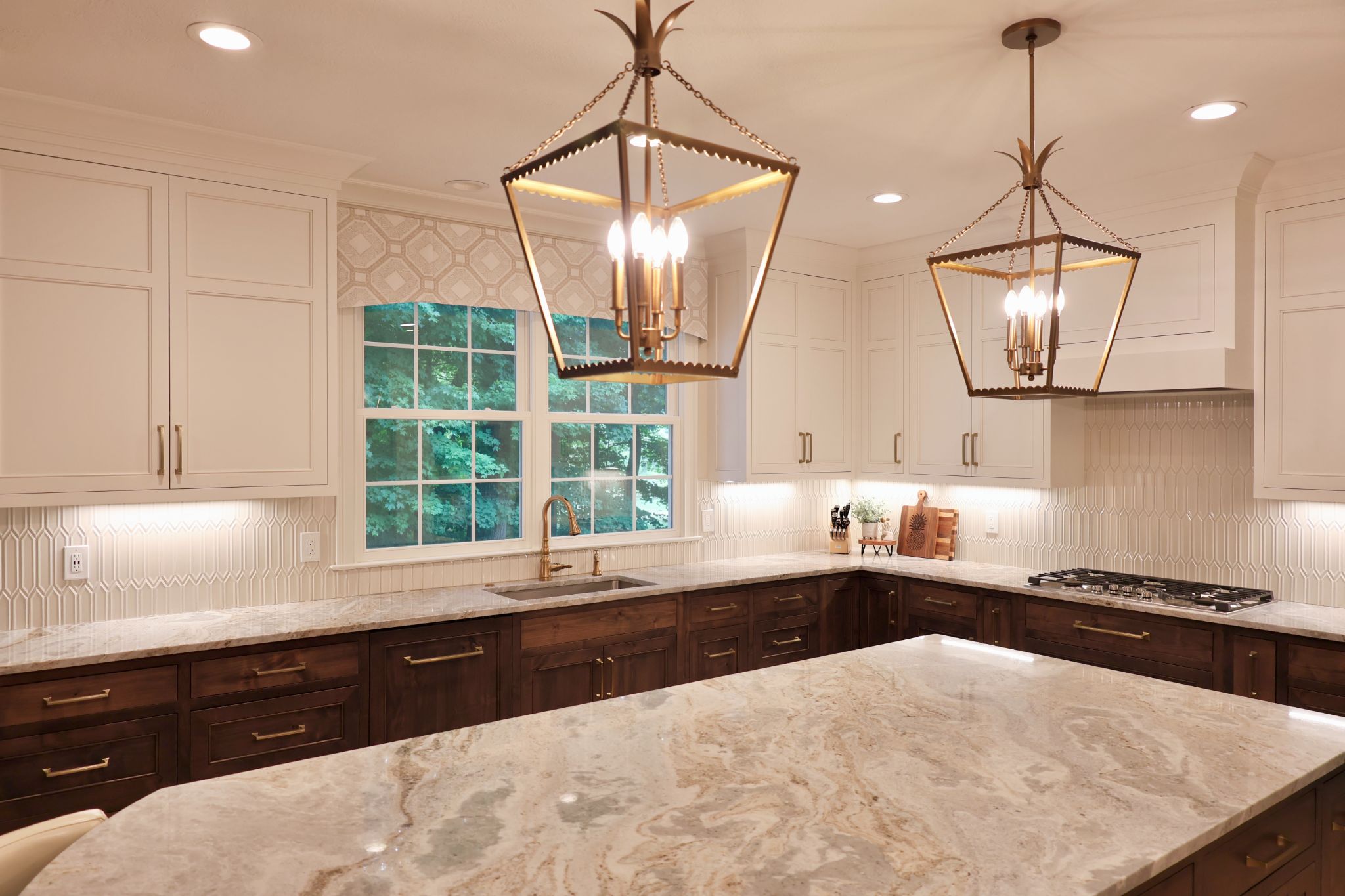
In your Tremont home, the first decision is what deserves to stay. From there, new cabinetry and surfaces should relate to the room around them. Use this approach to decide what to keep before a renovation makes those choices permanent.
How to Modernize a Historic Kitchen: Decide What to Keep
Start with the features you would miss if they disappeared. A built-in cupboard or carefully shaped window casing can connect the kitchen to the rest of your Tremont home.
Take photos of those details before choosing new products. Include a view from the next room, where you can see how the kitchen fits the house.
Check what you know about each piece. Old cupboards may come from a later remodel, while a changed feature may still matter to the house’s history. Look at its condition before deciding to repair or replace it.
For each detail worth keeping, ask:
- What do you value about it?
- Does it still serve a useful purpose?
- Does it need repair?
- Which planned changes would affect it?
Preserving kitchen character starts with that specific assessment. A label such as “vintage” tells you much less than the shape and scale you can see.
Tell the project team what you want to keep and why. They can plan the new work around it before anyone starts taking the room apart.
Choose New Details That Relate to the Existing Room
Use the details you’re keeping to guide the scale of new work. The new doors should feel at home beside the window casing and in the view from the dining room.
If your kitchen has broad trim, compare the width of a new door’s border against it. A slender border may feel out of place; heavy molding on each door may add more detail than the room needs. Look at the full wall of cabinets before choosing.
The same approach applies to countertops. Bold stone veins can draw the eye away from a built-in you want to keep. A quieter background lets you notice the woodwork first.
You still need a surface that fits your cooking habits. Our countertop material guide explains those tradeoffs separately from the visual choice.
A furniture-like cabinet detail can also make a useful connection to an older room. Choose it where it supports the design, such as a cabinet beside a retained cupboard. Repeating decorative feet or elaborate trim everywhere can make the new work feel forced.
For a room with odd dimensions, customized cabinetry offers another route to review. Check the door styles offered before choosing one for the plan.
These historic kitchen renovation ideas give you a way to connect old and new without pretending a new kitchen is original.
Improve Daily Function Without Letting Every Upgrade Dominate
Name the task you want to make easier, then plan the new work around the details you’re keeping. Better lighting over the prep area is a clear goal. Adding ceiling fixtures everywhere is a product decision made too soon.
Under-cabinet lighting can illuminate the work surface while keeping the ceiling less busy. Place it to suit the new layout so the light reaches the counter where you need it.
Choose appliances made for the way you plan to install them. A panel-ready dishwasher accepts an approved cabinet front; don’t add a makeshift cover to a standard model. Ventilation and service access still govern how the equipment fits.
Storage deserves the same practical approach. Drawers near the prep area can make everyday tools easier to reach without making every cabinet a focal point.
Our guide to planning a kitchen remodel puts those choices into a wider project sequence.
Homes in Tremont vary in age and past work. If your plans affect historic details, check with the city about the home’s status and what review the work needs. That depends on the property and the planned changes.
Get those answers before you commit to work around a feature you plan to keep.
Plan a Kitchen That Still Feels Like Your Home
Bring photos of the details you value to Firenza’s Eastlake Design Center. Include a view from the next room and a short description of what makes the kitchen difficult to use.
We can help you review new cabinets and countertop options in relation to those features. Our family’s four generations of stoneworking experience inform the surface-selection and fabrication decisions that follow.
Discuss your kitchen remodeling plans with Firenza before choosing replacements in isolation. You can start with a specific goal: a kitchen that works better and still feels connected to your Tremont house.
Firenza serves Northeast Ohio and select surrounding areas. Contact our team to confirm availability for your project location.
Frequently Asked Questions
Can You Modernize a Historic Kitchen Without Replacing Everything?
Yes, when the parts you want to keep are sound and suit the way you will use the room. Start with what you value, then check how it fits the new plan.
A sound built-in may stay while the cabinets around it change. Other elements may need repair or replacement to suit the new use.
Have the project team review those connections before work starts, especially where a new surface meets retained cabinetry. Keeping some of the old work takes planning. Each new part needs to fit what stays.
Do New Kitchen Cabinets Have to Match the Home’s Original Era?
New cabinets can suit an older home through their scale and shape without copying a set period. Start with the room’s existing trim and the appearance of adjoining spaces.
A plain recessed-panel door may suit detailed woodwork because it leaves that woodwork in view. A more shaped panel may suit a different room.
Neither choice proves that the kitchen matches its past. If the project requires a faithful restoration, use records and a specialist’s advice to guide the work. Looking old is not enough.
Can Quartz Countertops Work in a Historic Kitchen?
Yes. Engineered quartz comes in colors and patterns that suit kitchens in older houses. Place the exact design beside the details you plan to keep.
A quieter pattern may support prominent millwork, while stronger movement deserves a larger-scale review. The surface’s appearance doesn’t change its care requirements.
Quartz needs protection from high heat even when its pattern resembles natural marble. Choose the color and pattern for the room, then confirm the product’s performance suits your daily use.
How Do I Know Which Kitchen Features Are Original?
Use records and clues from the room together. Old photos or drawings can show when a feature was there. Records of past work can fill in the gaps.
Changes in trim shapes or joints can give you clues, but looks alone won’t tell you a date. In a Tremont house, an old-looking piece may come from a much later update.
If the distinction affects what you plan to remove, ask a trained preservation specialist to assess it. Take clear photos before work starts, while the details are still there to examine.