Why Quartz Can Scratch Even Though Quartz Mineral Is Hard
Engineered quartz combines quartz minerals with resin binders, pigments, and other parts. The hardness of one quartz mineral does not describe the whole slab. It also cannot predict how the factory finish will react to every object.
That difference explains why quartz can resist daily wear yet still get a scratch, scuff, gouge, or dull patch. Formulas and finishes vary by brand. A general Mohs rating cannot replace the care guide and specs for the exact product.
Quartz remains a practical, low-maintenance surface for many households. Firenza’s overview of the reasons to choose quartz countertops for your kitchen provides the broader benefits and tradeoffs.
What Usually Causes Scratches or Scratch-Like Marks on Quartz?
Most marks trace back to contact with a hard, rough, sharp, or abrasive object. The cause also determines the safest next step.
- Direct cutting: A kitchen knife may leave a mark and will dull faster against the surface. Use a cutting board for food preparation
- Unglazed ceramic: Rough rings under mugs, dishes, planters, or cookware can mark the finish. Use a mat or lift the item
- Heavy cookware: Cast iron and metal appliances may scratch, scuff, or transfer material when dragged. Lift instead of sliding
- Trapped grit: Small particles beneath a cutting board or appliance can act like an abrasive. Wipe the counter before moving objects
- Scouring tools: Abrasive pads and powdered cleaners can change the sheen, creating a dull area that resembles fine scratching
- Tools and hardware: Repairs, appliance work, and renovation activity can place sharp metal directly on the counter. Protect the work area first
Normal care does not require treating quartz like glass. It requires stopping the few habits that concentrate friction or abrasion.
Is It a Scratch, Metal Transfer, or a Dull Spot?
These marks can look alike under one light source, but they are not the same problem.
A True Scratch or Gouge
A scratch removes or cuts into the surface. A deeper gouge may catch a fingernail. Depth, location, finish, and pattern determine whether professional repair is practical.
Metal Transfer
A gray or dark line may be metal left on top of the quartz by a pan, tray, or appliance foot. It can resemble a scratch, especially on white quartz. Do not assume it needs sanding.
A Dull Spot
A dull area may come from an abrasive pad, chemical exposure, heat, or residue. If the sheen changed, aggressive polishing can enlarge the mismatch.
Start with the manufacturer’s approved care method. Inspect the dry surface from several angles and under natural and artificial light. If the mark persists or catches a fingernail, photograph it and contact the fabricator before trying stronger products.
Which Quartz Designs Hide Scratches and Marks Best?
Pattern does not automatically make one quartz design harder than another. Product formulation and manufacturer specifications govern physical performance. Color, movement, sheen, and lighting govern how easily you notice a mark.
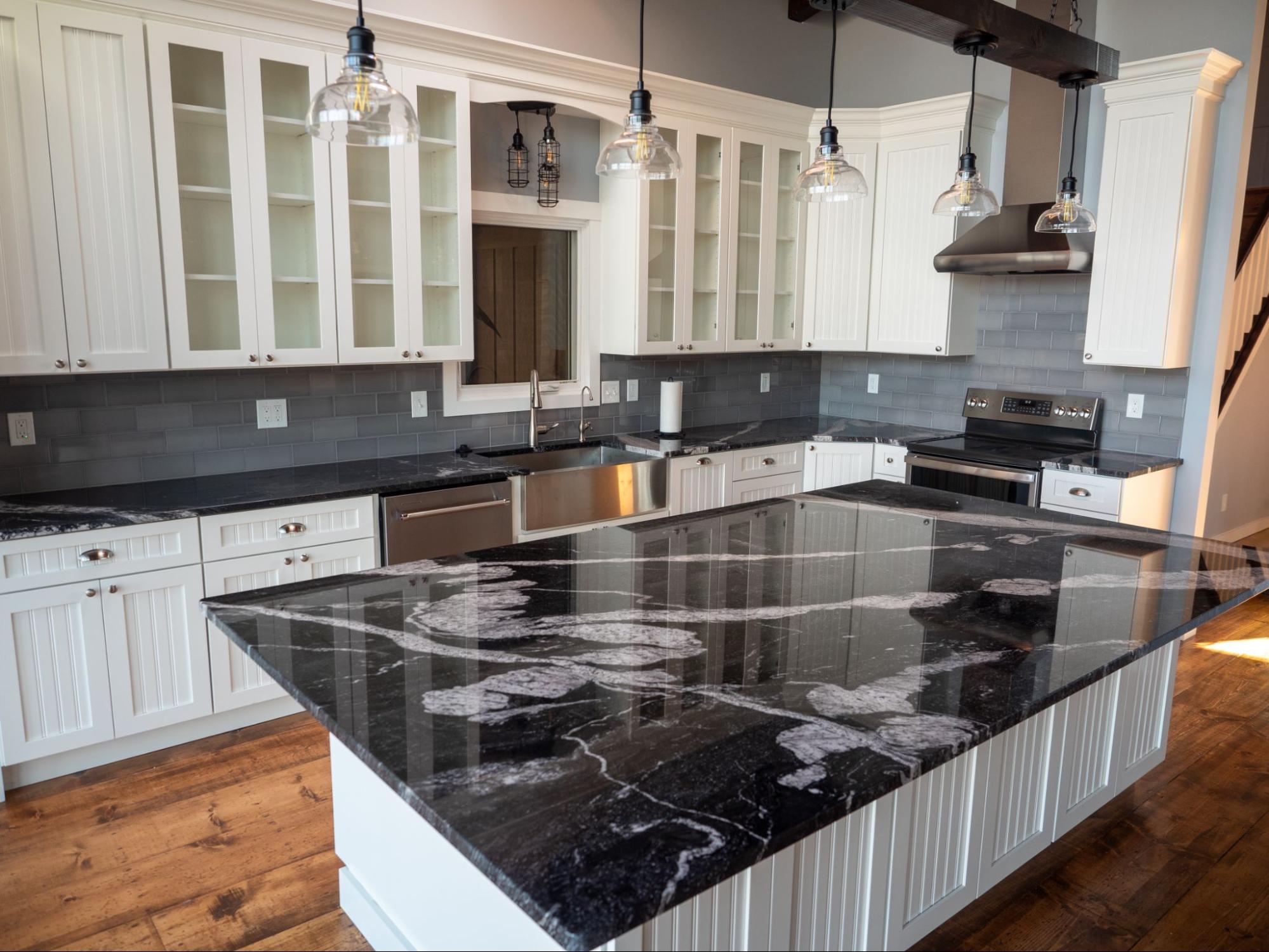
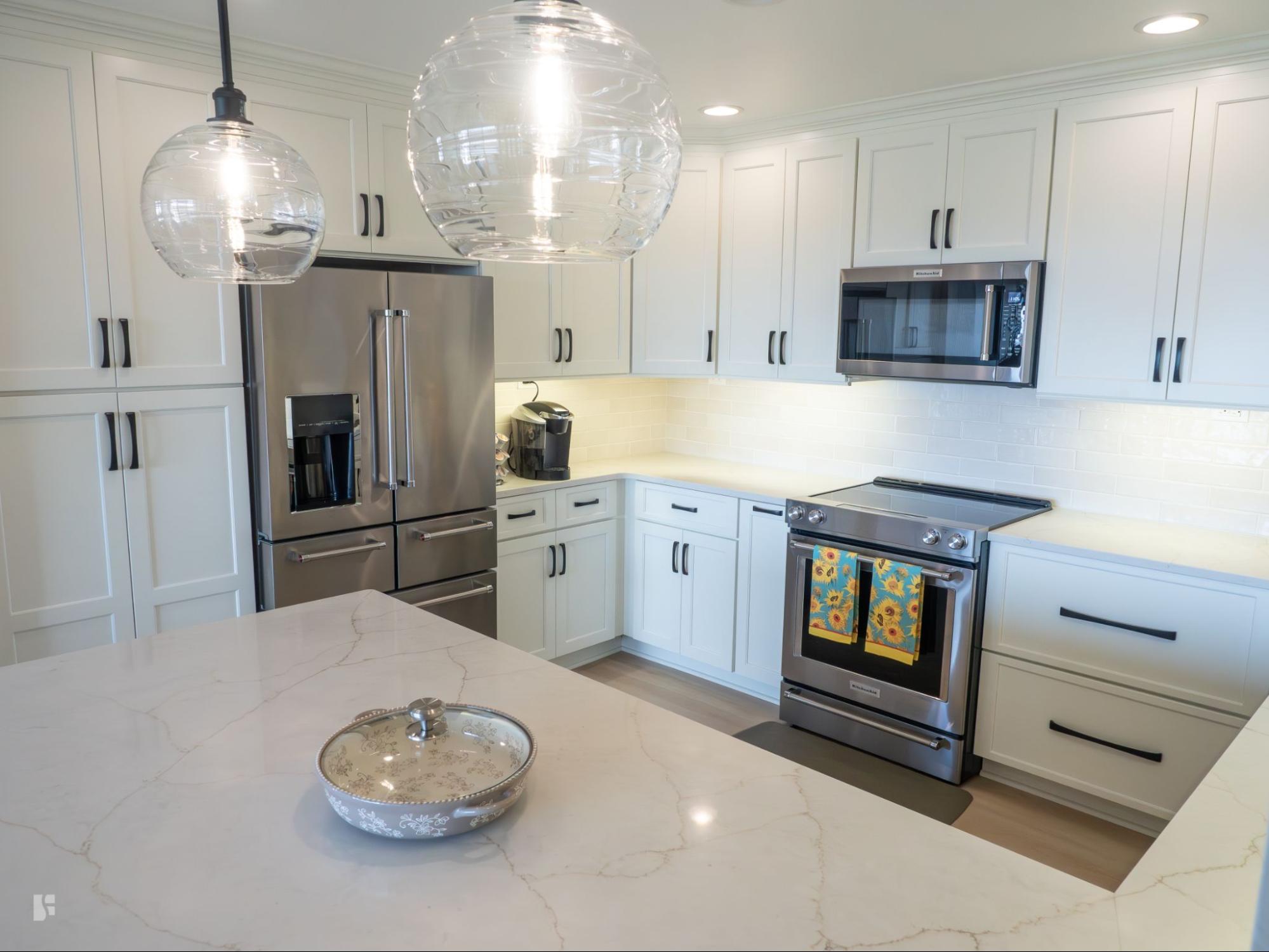
A visually active pattern may disguise a fine scuff better than a solid field. White quartz can make gray metal transfer obvious. Dark, solid, or glossy surfaces may show dust, fingerprints, or low-angle marks more clearly. Matte and textured finishes can respond differently to cleaning and reflected light.
That is visual forgiveness, not greater scratch resistance.
Review the full design under lighting similar to your room. Firenza’s guide to examining quartz quality before buying explains what else to evaluate. You can also learn what you can only judge in person before relying on a small sample.
How to Prevent Scratches Without Treating the Countertop Like Glass
A few consistent habits protect quartz without making the kitchen difficult to use:
- Cut on a board: Protect the counter and your knives at the same time
- Lift heavy items: Avoid dragging cast iron, countertop appliances, or rough ceramic across the surface
- Clear away grit: Wipe crumbs and hard particles before moving a board or appliance
- Use soft tools: Choose a soft cloth and a cleaner approved by the product manufacturer
- Protect project areas: Put down a suitable barrier before contractors, appliance technicians, or family members set tools on the counter
- Follow product guidance: Quartz brands differ, so use the exact care and warranty instructions for your selection
These steps target the real causes of damage. They do more than a promise that quartz will resist anything placed on it.
Can Scratches in Quartz Be Repaired?
Some quartz damage can be repaired or made less noticeable, but not every scratch can disappear. A professional must consider depth, location, pattern, color, finish, and the product warranty.
Shallow metal transfer or residue may not require repair at all. A chip or deep gouge may accept color-matched resin, although the repair can remain visible. Sanding or polishing a factory-finished surface can produce a larger area with a different sheen.
Do not start with an online repair compound or abrasive method. Ask the fabricator or manufacturer to identify the mark first. A correct diagnosis protects the surrounding finish and avoids turning a small problem into a permanent patch.
Choose Quartz for the Kitchen You Actually Use
Quartz can be an excellent fit if you want a nonporous surface, consistent design options, and manageable daily care. It still needs cutting boards, protection from abrasion, and realistic expectations about heat and impact.
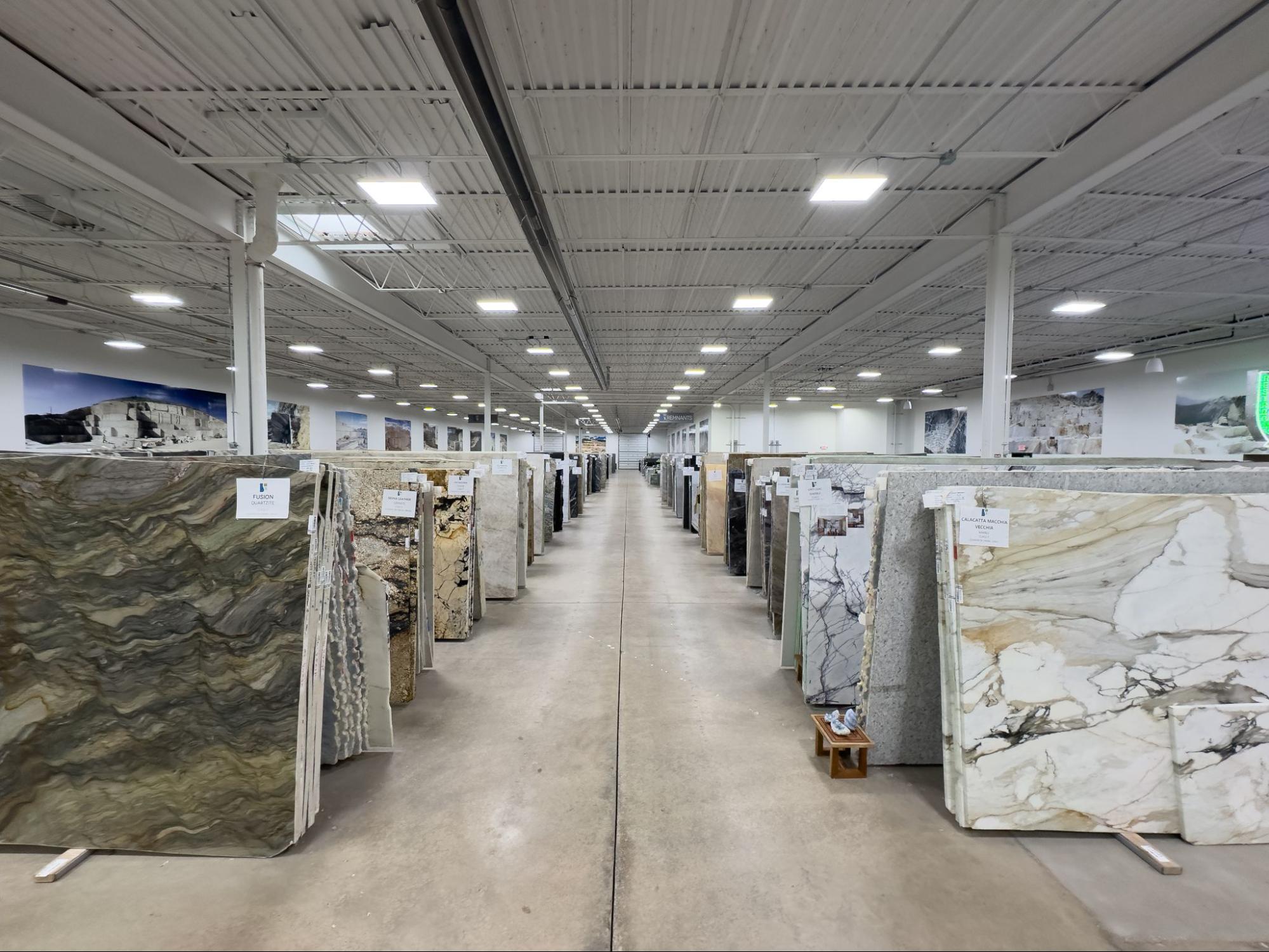
Visit Firenza’s Eastlake slab gallery to compare color, pattern, finish, and reflected light in person. Tell the design team how you cook, clean, and use the room. You can then compare countertop materials by how you live and choose visual forgiveness and performance together.
FAQs
Can a Kitchen Knife Scratch Quartz?
Yes, a knife can mark quartz under the wrong conditions, and cutting directly on the counter can dull the blade. Quartz resists scratches, but no manufacturer should be assumed to approve direct cutting. Use a cutting board to protect both the surface and the knife.
Can Ceramic Dishes Scratch Quartz?
The rough, unglazed base of some ceramic dishes, mugs, cookware, and planters can leave scratches or transfer marks. Lift these items rather than sliding them. A mat or trivet can help where a rough object stays on the counter.
Why Are There Gray Lines on White Quartz?
Gray lines may be metal transfer from cookware or appliance feet rather than cuts in the surface. Inspect the area under different light and follow the manufacturer’s approved cleaning guidance. Avoid abrasive pads or sanding, which can damage the finish while trying to remove a surface deposit.
Do Matte Quartz Countertops Show More Marks?
They can show some smudges, oils, or handling marks differently than polished quartz, but performance varies by product and color. A matte finish is not automatically less scratch-resistant. Compare an actual sample or slab under your room’s likely lighting and review the manufacturer’s care guidance.
Can Scratches Be Buffed Out of Quartz?
Do not assume they can. Buffing or sanding may change the factory sheen and create a more visible patch. Some damage can be professionally filled or improved, while metal transfer may only need approved cleaning. Have the mark identified before choosing a repair method.